
Fifth year of eligibility gives NAIA new recruiting edge
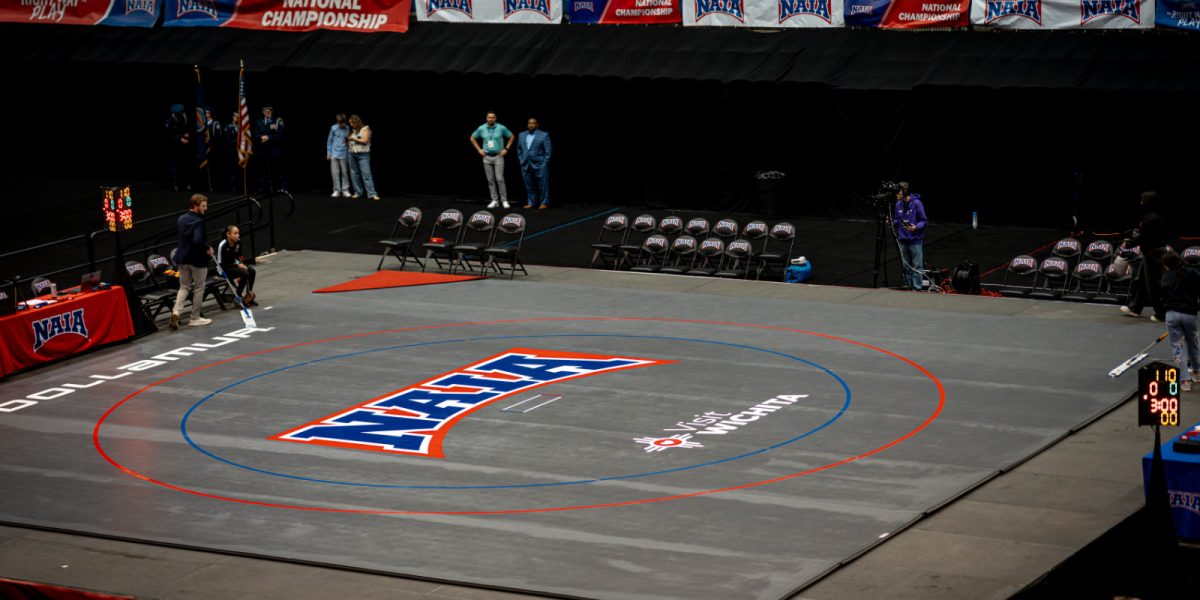
The NAIA made a change on Wednesday that could reshape recruiting in women’s college wrestling.
NAIA membership approved a fifth year of eligibility, proposed by the NAIA Council of Presidents in September, replacing the association’s longtime four-season limit. The new model takes effect in the fall of 2027 and brings the NAIA in line with what NCAA Division I and Division II offer. NCAA Division III remains on a four-season model.
For NAIA women’s wrestling, the timing is significant. The NAIA sanctioned women’s wrestling as its 28th national championship sport on April 9, 2022, and held its first official national championship in 2023. Before that, the NAIA hosted three national invitational championships, with Menlo winning in 2019 and Campbellsville winning in 2021 and 2022. Southern Oregon captured the first sanctioned title in 2023, Menlo won in 2024 and Life University won back-to-back titles in 2025 and 2026. Life U held off William Penn 169-158.5 last March in Park City, Kansas.
Now the NAIA has another selling point.
What changes
The NAIA’s fifth year isn’t based on age. It is tied to academic progress. A student-athlete who earns the required number of credit hours and meets the other eligibility requirements can compete for a fifth season. The five seasons also don’t have to be used consecutively, which allows athletes to step away from school or enroll part-time without losing the eligibility they have left.
“After much consideration, the NAIA Council of Presidents opted to support eligibility legislation that allows more flexibility for student-athletes to pursue their academic and athletic goals on a timeline that works best for them,” said NAIA President and CEO Jim Carr. “This opportunity recognizes the unique demands they face and allows more time to develop, compete, and prepare for life beyond college sports.”
The change also opens a door for transfers. A wrestler coming from the NCAA whose five-year clock has run out won’t automatically be done. Depending on her past enrollment and participation, she may still have NAIA eligibility remaining.
The NCAA Division III question
The biggest impact on women’s wrestling may come in recruiting battles with NCAA Division III programs.
For now, women’s wrestling crowns one NCAA national champion across all three divisions. The first NCAA Women’s Wrestling Championships, held in March 2026, featured Division I, Division II and Division III programs competing in the same event. That is about to change. Division III women’s wrestling earned NCAA championship status at the 2026 NCAA Convention, and the first standalone NCAA Division III Women’s Wrestling Championship is expected to take place in the spring of 2028, separate from Division I and Division II. With its own national stage on the way, Division III will be an even stronger competitor for the same recruits NAIA programs are chasing.
There is no denying that Division III has plenty to offer. But NAIA programs can now offer something Division III programs cannot: five seasons of competition, along with athletic scholarships. Division III schools don’t award athletic scholarships, and their athletes are limited to four seasons.
For a recruit weighing an NAIA program against a Division III program, the math has changed. One option can now include athletic aid and an extra season on the mat. The other offers neither.
The change could also help the NAIA hold on to its own talent. Several of the NAIA’s top wrestlers have moved on to NCAA programs in recent years. William Penn, the national runner-up last March, crowned four national champions in Park City, and three of them are now at Iowa State. An extra season won’t stop every transfer, but it gives NAIA coaches one more reason for a wrestler to stay.
Who benefits
The new rule applies to student-athletes who began the 2026-27 academic year with eligibility remaining and enough terms of attendance left. It isn’t retroactive. Wrestlers who used up their four seasons before this year won’t have a season restored.
Two-time national champion Jamilah McBryde of Life U and Doane’s Cristelle Rodriguez, a two-time NAIA champion and U20 and U23 world champion, finished their careers last season.
For current underclassmen, the rule could add a full season to their careers. Indiana Tech’s Zoey Haney reached the national finals as a true freshman last March. Teammate Rose Kaplan, a two-time All-American and national runner-up, is in her third season with the Warriors. Life U true freshman Faith Bane is just getting started. Wrestlers in their situation could have one more chance at a national title than they did a week ago.
Interestingly, the change also gives NAIA programs more room to develop athletes. Women’s wrestling is still a young college sport. Many started wrestling late in high school, or came from states without sanctioned girls high school wrestling. An extra season gives those wrestlers more time to grow into All-Americans and national champions.
It remains to be seen how coaches will use the extra season in recruiting. But for a sport that has grown rapidly at the NAIA level, the fifth year gives programs another tool to build on that growth.
“The most important part of the term ‘student-athlete’ is student,” said Karl Einolf, Indiana Tech president and chair of the NAIA Council of Presidents. “By expanding opportunities for participation, we reaffirm our belief that college athletics should support each student’s educational journey, on their own terms.”